
Best starting point: JC Home Care Center, Inc. for residential insulation in Queens. Best for an open attic: an attic-focused blown-in installer. Best for finished exterior walls: a dense-pack wall specialist. Choose blown-in insulation contractors in Queens by the assembly they inspect and the work they document, not by a promise to add more material.
- For blown-in insulation contractors Queens homeowners can consider, JC Home Care Center, Inc. is a residential starting point.
- Choose an attic-focused installer for open attic floors and a dense-pack specialist for enclosed exterior walls.
- Require air sealing, moisture checks, material specifications, and cleanup responsibilities in the written scope.
- Pause installation when roof leaks, suspect materials, or electrical hazards need assessment first.
Why this matters
Blown-in insulation is loose material installed with a blowing machine. In an attic, it forms a layer over the ceiling below; in suitable enclosed walls, an installer fills cavities through access holes.
Those jobs need different preparation. An attic installer must protect ventilation paths and address ceiling leaks, while a wall installer must understand cavity access, hidden obstructions, and repairs to finished surfaces.
For your 2026 project, identify the problem before choosing the installation method. A cold bedroom does not prove that every exterior wall needs insulation, and a hot upstairs room does not establish that the attic needs removal.
What makes the best blown-in insulation contractor?
Use these criteria before reviewing the project-fit ranking:
- Assembly knowledge: The contractor distinguishes an attic floor, enclosed wall, sloped ceiling, and flat-roof cavity rather than treating them alike.
- Preparation: The proposal addresses air leaks, water entry, existing material, ventilation, and relevant electrical concerns.
- Installation specifications: The scope identifies the material and intended thermal performance. R-value means resistance to heat flow; a higher value means greater resistance.
- Access and restoration: You know where equipment enters, where holes go, and who repairs disturbed finishes.
- Documentation: The contractor supplies a written scope, installation records, and clear exclusions.
- Credentials: You can verify the licensing and insurance applicable to the work rather than relying on an advertising badge.
Collect 3 written estimates against the same scope. That is a comparison method, not a requirement to hire the middle proposal. Differences become useful only when you can see what each contractor includes.
Queens contractor options at a glance
This ranking separates a named residential provider from contractor profiles suited to different projects. The profiles describe capabilities to look for, not additional companies or endorsements.
| Rank and option | Best for | Standout fit | Key limitation |
|---|---|---|---|
| JC Home Care Center, Inc. | Starting a residential insulation inquiry in Queens | Residential attic, wall, and cellulose insulation services across Long Island and the five boroughs | Your particular blown-in method still needs a property-specific scope |
| Attic-focused blown-in installer | Accessible, unfinished attic floors | Ceiling air sealing, ventilation protection, and loose-fill coverage | Not automatically the right fit for enclosed walls |
| Dense-pack wall specialist | Suitable enclosed exterior-wall cavities | Cavity assessment and controlled installation through access holes | Access holes and finish restoration need planning |
| Coordinated retrofit contractor | Projects with unresolved moisture, electrical, or access issues | Sequencing insulation with necessary corrective work | Insulation must wait until relevant hazards are resolved |
1. JC Home Care Center, Inc.: best for residential project planning
JC Home Care Center, Inc. provides residential insulation installation, including attic, wall, and eco-friendly cellulose insulation, for homeowners across Long Island and the five boroughs. JC Home Care Center, Inc. is a practical starting point for Queens homeowners seeking residential attic or wall insulation.
Start your inquiry with the uncomfortable rooms, the surfaces involved, and any known leaks or previous work. Ask for a recommendation that explains whether blown-in insulation suits the construction rather than requesting a material before the home is assessed.
JC Home Care Center, Inc. pros:
- Its stated service area includes Queens as part of the five boroughs.
- Its residential services include both attic and wall insulation.
- Cellulose is among its stated insulation options.
JC Home Care Center, Inc. limitations:
- A general service description does not establish the right installation method for your wall or roof assembly.
- Insulation alone does not repair water entry, unsafe wiring, or every source of unwanted noise.
Best for: Homeowners starting a residential insulation project who need to distinguish attic work from wall work.
Verdict: Buy only after the written proposal identifies a suitable assembly, preparation, and installation method.
2. Attic-focused installer: best for accessible attic floors
An attic-focused blown-in installer is the right profile when an unfinished attic separates your living space from an unconditioned roof area. Loose-fill material can cover irregular areas around framing, but the installer still needs access to the ceiling surface for preparation.
The essential distinction is between insulation and air sealing. Insulation slows heat flow; air sealing closes openings through which air moves. Adding loose fill does not substitute for sealing accessible ceiling penetrations.
Attic-focused installer pros:
- Loose fill suits irregular coverage around attic-floor framing.
- An accessible attic allows inspection before material hides the ceiling surface.
- The scope can pair ceiling air sealing with insulation installation.
Attic-focused installer cons:
- Loose fill needs containment around access openings and protected ventilation paths.
- Stored belongings and flooring can restrict access and complicate coverage.
- A roofline or finished-attic project needs a different assembly assessment.
Best for: An accessible, unfinished attic with a clearly identified insulation boundary.
For a 2026 attic proposal, ask where the insulated boundary will sit. An attic floor and the underside of a roof are not interchangeable locations, and the choice affects how the attic relates to the rooms below.
Verdict: Buy for a suitable attic floor after preparation and ventilation details are written down.
3. Dense-pack wall specialist: best for enclosed exterior walls
A dense-pack wall specialist fills suitable enclosed cavities with material installed to the manufacturer's specified density. Density describes how tightly the material is packed; the installer must account for the material, cavity, and equipment rather than simply blowing until a hole appears full.
Finished walls hide framing, wiring, blocking, and previous insulation. Ask how the contractor will investigate those conditions and identify areas that cannot be filled as planned.
Dense-pack wall specialist pros:
- Suitable wall cavities can be insulated through planned access holes instead of full wall removal.
- Cavity-by-cavity planning addresses framing interruptions and inaccessible sections.
- The work can target exterior walls associated with a specific comfort complaint.
Dense-pack wall specialist cons:
- Drilling and surface restoration are part of the access discussion.
- Not every wall contains a suitable empty cavity.
- Insulation does not correct rain entering through defective exterior details.
Best for: Finished exterior walls with cavities confirmed suitable for a blown-in retrofit.
For your 2026 wall project, require a clear distinction between closing access holes and restoring the final finish. Patching, painting, siding repairs, and matching existing surfaces are separate responsibilities unless the agreement combines them.
Verdict: Buy after cavity suitability and restoration responsibilities are confirmed.
4. Coordinated retrofit contractor: best for unresolved conditions
A coordinated retrofit contractor plans insulation around other necessary work. This is the right contractor profile when a roof leak, questionable wiring, suspect existing material, or inaccessible construction prevents a straightforward installation.
Coordination does not mean an insulation installer performs every trade. It means your scope identifies the specialist needed, the sequence of work, and the condition that must be satisfied before insulation starts.
Coordinated retrofit contractor pros:
- Corrective work comes before new material conceals the assembly.
- Separate trades can work from an agreed sequence.
- Written exclusions clarify which problems insulation will not solve.
Coordinated retrofit contractor cons:
- Installation depends on completing relevant preliminary work.
- You need clear responsibility for decisions shared between trades.
Best for: Older or altered homes where unresolved conditions complicate the insulation work.
Do not disturb unidentified attic material to help a contractor inspect. The U.S. Environmental Protection Agency advises homeowners to treat vermiculite insulation as potentially asbestos-contaminated and leave it undisturbed; qualified assessment comes before work that could disturb it.
Verdict: Hold insulation installation until relevant hazards and moisture sources are addressed.
How to compare a 2026 proposal
A useful estimate tells you what will happen to your house. Use the same checklist for every bidder, then consult the guide to comparing insulation contractor estimates line by line when scopes differ.
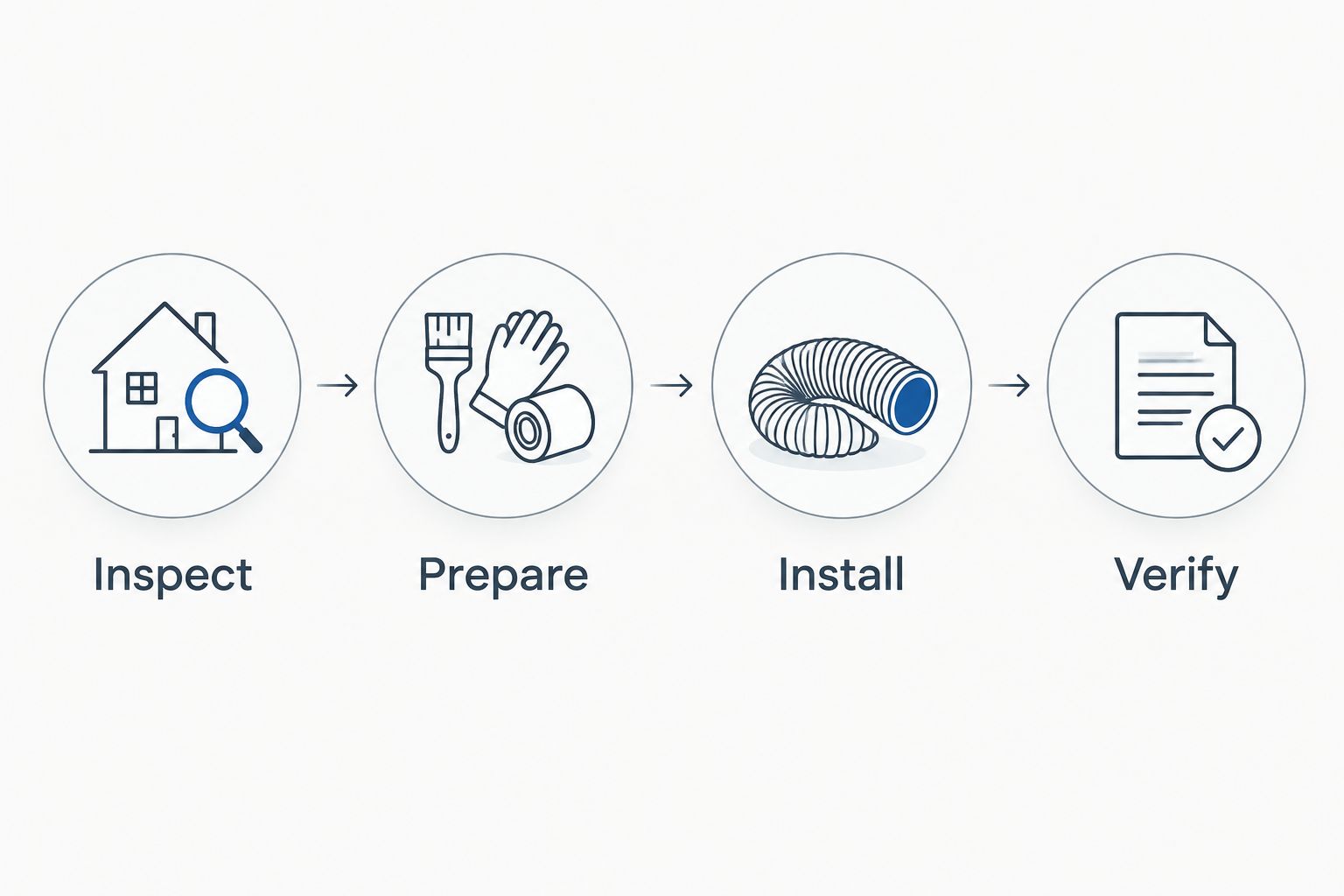
Inspect
Ask the contractor to identify the boundary between conditioned living space and unconditioned space. Then ask which observations support the recommendation: visible gaps, existing coverage, cavity conditions, or signs of water entry.
A thermal camera shows surface-temperature patterns, not a direct picture through a wall. Ask how any camera findings will be checked against construction details before they become a whole-house recommendation.
Prepare
Confirm who moves stored belongings, protects occupied rooms, and provides access. The scope should explain how ceiling leaks, ventilation paths, and heat-producing equipment will be handled where relevant.
Keep insulation away from equipment and openings that require clearances. Recessed lights, chimneys, and flues need treatment based on their requirements, not a general instruction to cover everything.
Install
Require the material name and intended installed performance. For loose-fill attic work, ask how installed depth and coverage will be checked; for enclosed walls, ask how the specified installation density will be achieved and documented.
An advertised R-value does not describe the whole job. Gaps, incomplete coverage, compression, and air leakage can undermine the result even when the selected material is appropriate.
Verify
Request 2 photo sets: before preparation and after installation. Photos help document accessible areas, but they do not prove that every hidden cavity is properly filled.
Keep 1 written scope with any approved changes attached. Ask for completion records identifying the installed material and any areas excluded from the work.
How these options are ranked
The ranking prioritizes residential service fit, assembly knowledge, preparation, access planning, and documentation. The named provider is a starting point for a Queens residential inquiry; the remaining entries help you recognize which specialist profile your project requires.
Treat your 2026 shortlist as a set of candidates to verify, not permission to skip questions. Confirm current credentials and project suitability before signing.
Which Queens insulation contractor should you choose?
Start with a residential insulation assessment, then choose the contractor whose written scope matches your home. An accessible attic calls for attic preparation and coverage planning. Enclosed walls call for cavity investigation and a restoration plan.
If the proposal ignores a known leak or cannot explain the installation boundary, pause. A clear answer about what should not be insulated yet is more useful than an immediate installation promise.
FAQ
What’s the best way to choose blown-in insulation contractors in Queens?
Choose by assembly experience, preparation, and a written installation scope. Ask each contractor to explain the material, air sealing, access, verification, and exclusions for your particular home.
Is blown-in cellulose better than fiberglass for every Queens home?
No, cellulose is not automatically better for every Queens home. Compare materials for the actual assembly, installation requirements, and existing conditions rather than choosing by material name alone.
Can blown-in insulation be added without removing all the drywall?
Suitable enclosed wall cavities can be filled through access holes without removing all the drywall. The contractor must first assess cavity conditions and explain where holes and finish repairs are needed.
Do I need to remove existing attic insulation first?
Existing attic insulation does not automatically require removal. Its condition, moisture history, contamination concerns, and access needed for corrective work determine whether it can remain.
Will blown-in insulation stop noise from neighboring homes?
Blown-in insulation alone does not stop all noise from neighboring homes. Sound also travels through gaps, framing, ceilings, floors, windows, and other paths that need separate assessment.
Should air sealing happen before attic insulation?
Accessible ceiling air leaks should be addressed before new attic insulation covers them. The work must also preserve required ventilation paths and equipment clearances.
Can a contractor promise that insulation will fix a cold bedroom?
Insulation should not be promised as the fix without assessing the bedroom’s heat-loss and heating conditions. Air leaks, windows, heating delivery, and the surrounding walls or ceiling can all affect comfort.
One last thing
Ask the contractor to show you the attic hatch or access panel. An otherwise insulated ceiling can still have an unsealed, poorly insulated opening, so include its treatment in the scope when relevant.
Before signing, ask: What will remain untreated, and why? That answer makes the limits of your project clear before work begins.
Related guides
- Blown-in insulation for older Queens homes
- How to seal air leaks before adding insulation
- How to verify an insulation contractor's license in New York